
HY provides reference architectures for high-density AI, HPC, and data center cooling projects. Use this page to compare the main heat-rejection paths before sending your load, site, and deployment requirements for a project quotation.
Cabinet-based liquid cooling
For the deployment choice, read the cabinet vs. container comparison.
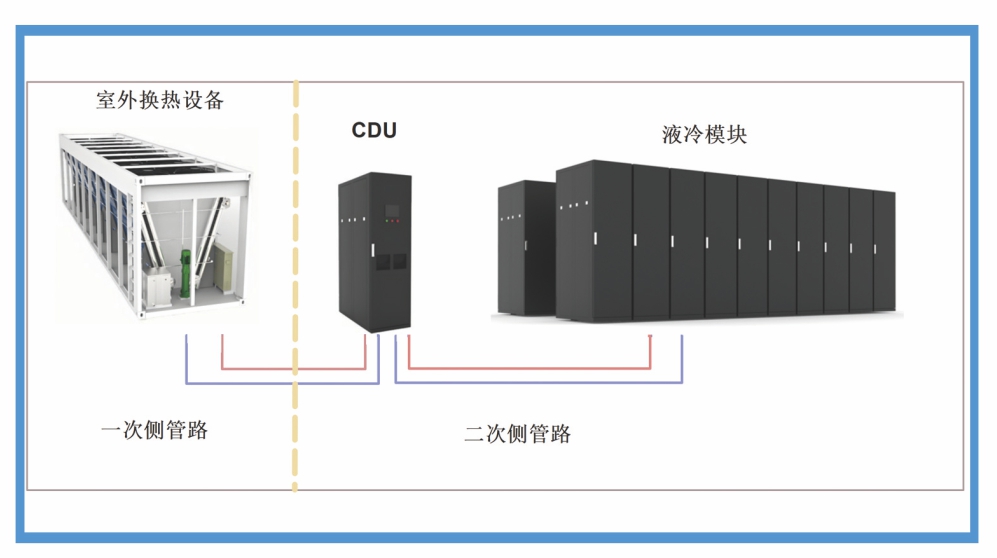
This architecture connects the server-side liquid loop to a CDU and then to outdoor heat rejection equipment. It is suitable when the customer needs modular rack deployment, a controlled indoor environment, and serviceable expansion by cabinet.
- Primary and secondary piping can be reviewed separately.
- CDU selection depends on heat load, flow, temperature, filtration, and interface requirements.
- Confirm rack count, IT load, water quality, inlet and outlet temperatures, and site space before quotation.
Containerized computing power solutions
For site and scope inputs, use the container planning guide.
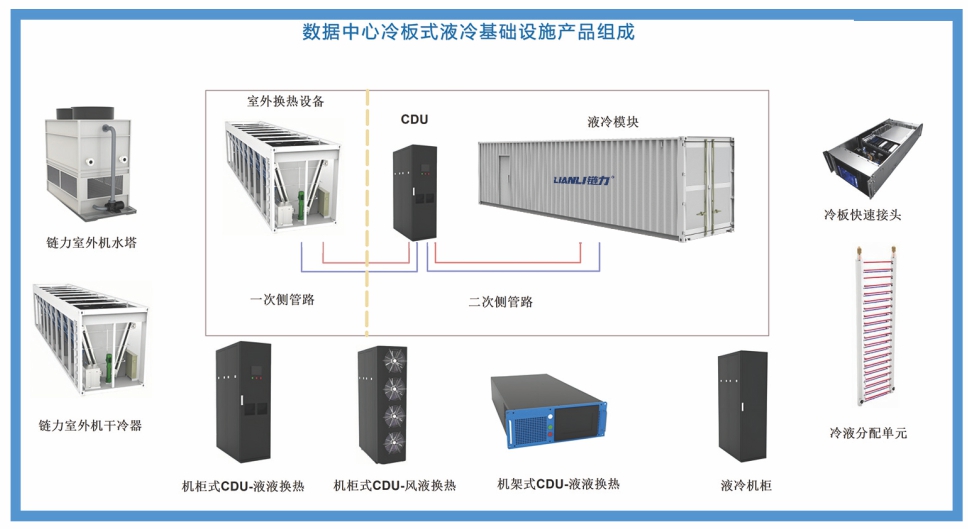
Containerized systems combine computing cabinets, CDUs, outdoor cooling equipment, and control components into a modular site solution. They are intended for AI training, high-performance computing, edge deployment, and projects that need capacity to be delivered in repeatable blocks.
- Available references include 20HC and 40HC computing power containers.
- Cooling can be based on liquid-cooled servers, immersion cooling, dry cooling towers, or a configured combination.
- Final capacity, power, water connections, layout, and climate design must be confirmed against the approved project specification.
Reference equipment and selection notes
Heat rejection
Review how the cooling loop works.
Dry cooling towers and closed water towers reject heat from the liquid loop. Select by cooling capacity, ambient conditions, fluid, flow, noise, footprint, and power consumption.
CDU and heat exchange
Rack-mounted, cabinet-based, or open-type CDUs manage the secondary loop. Plate heat exchangers, filtration, pump control, and interface size are confirmed by load and site conditions.
Project input checklist
For a high-density reference, see the GB300 project design checklist.
Send target IT load, server count, rack or container type, cooling medium, supply and return temperatures, altitude or ambient range, power standard, destination, and required delivery schedule.
Featured computing power containers
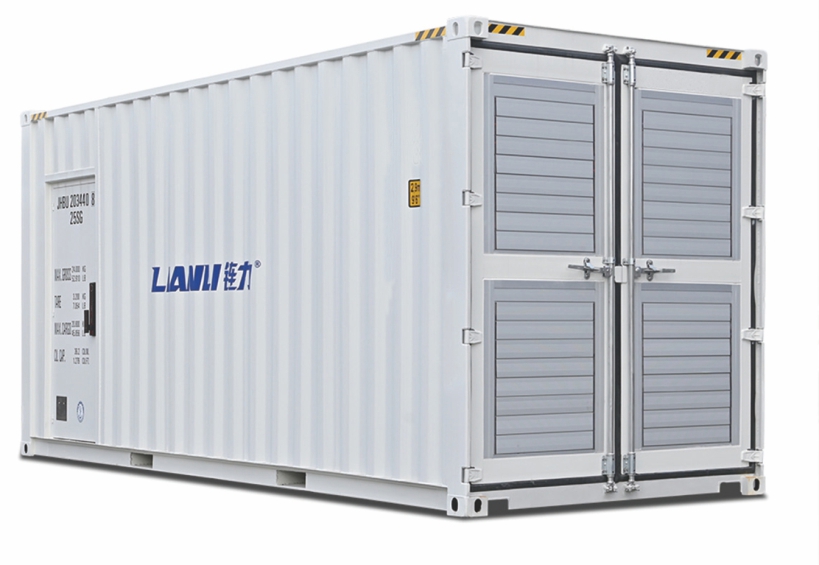 20HC 1.2MWView documented configuration
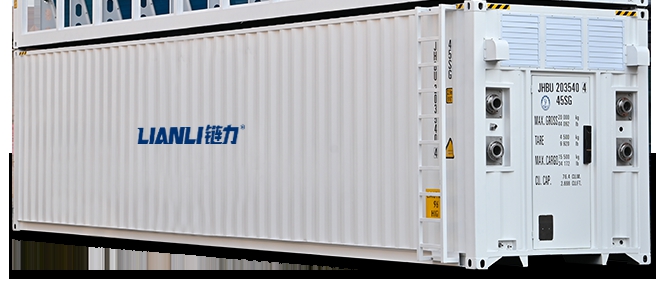 40HC 2.4MWView documented configuration
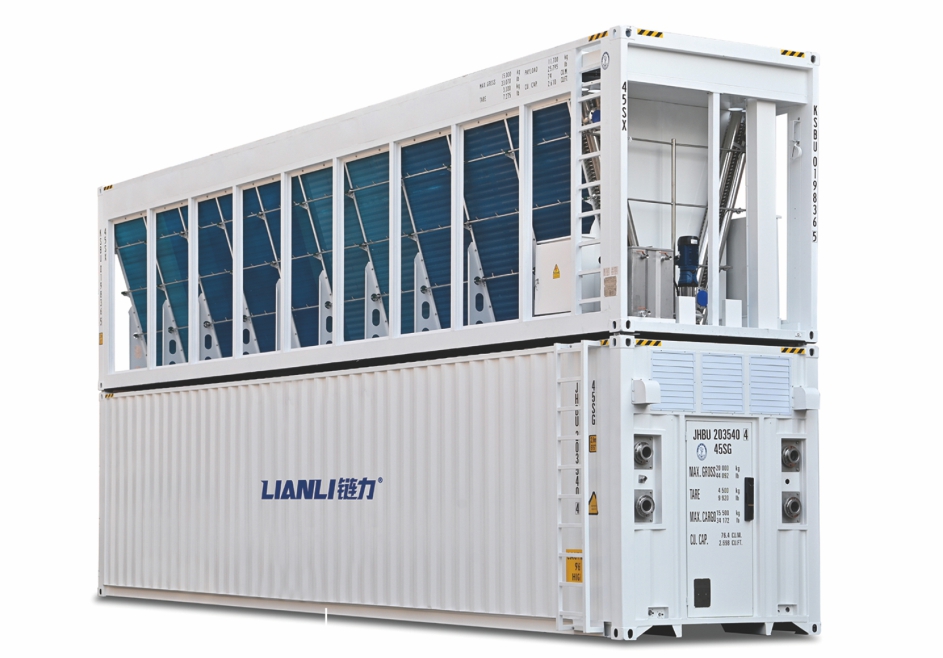 40HC 3.0MWView documented configuration
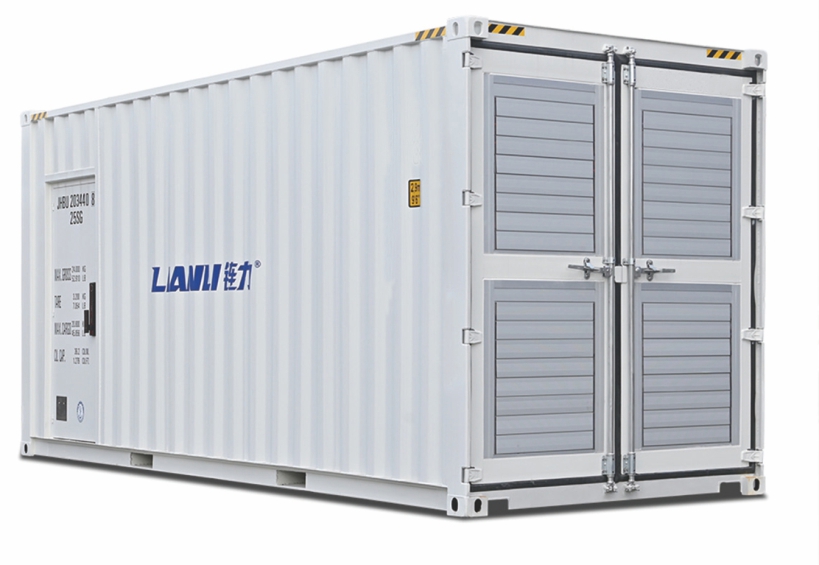 20HC 1.4MWView documented configuration
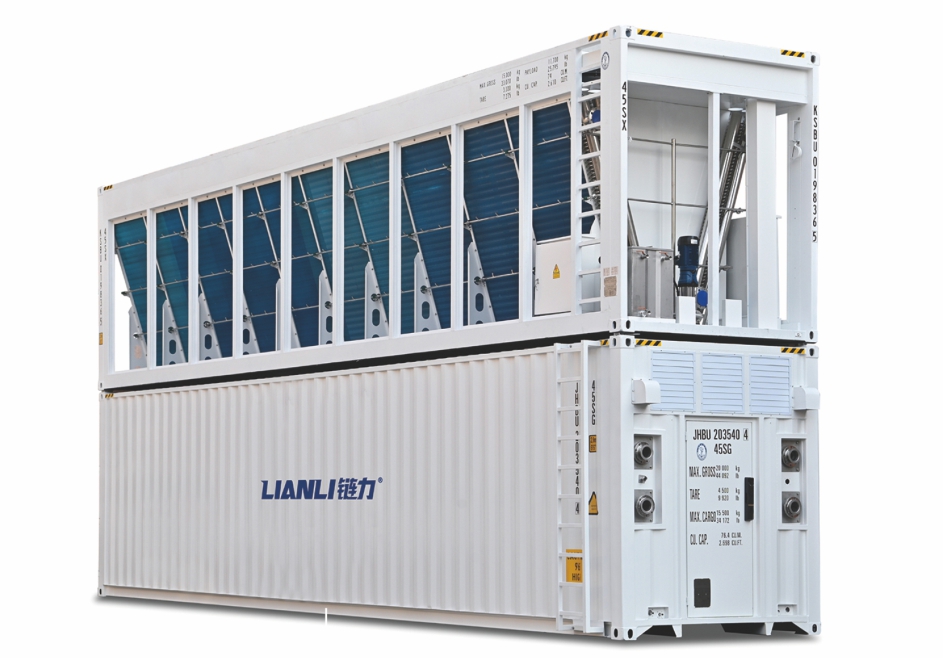 40HC 2.0MWView documented configuration
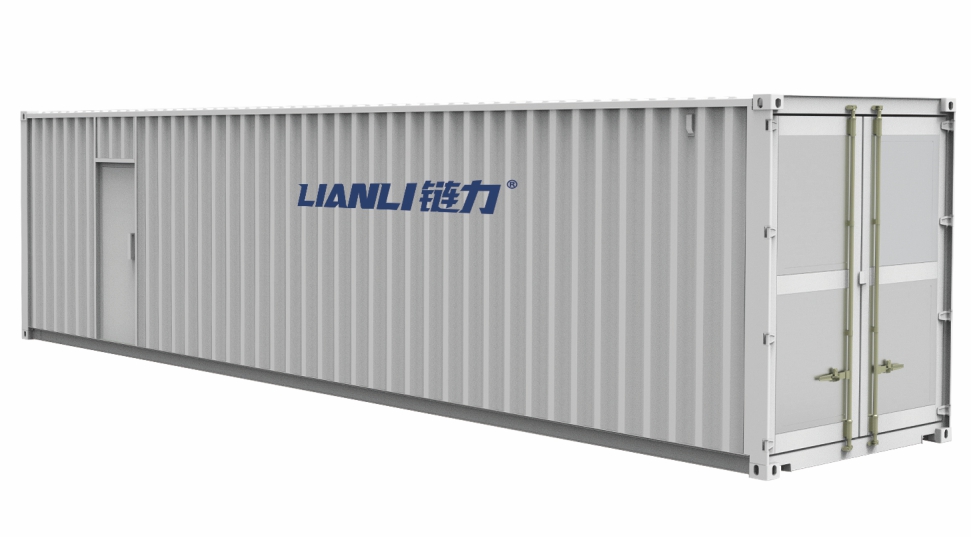 20-40HC 0.8-2.0MW immersionView documented configuration
Need a cooling architecture recommendation?
Send the target power, server count, site conditions, preferred cooling method, and destination. HY will help map the requirement to a cabinet, CDU, dry tower, immersion, or containerized configuration.
Send project requirementsProject FAQ
Should I choose cabinet-based or containerized cooling?
Choose cabinet-based cooling when the data center room and rack layout are already available. Choose a containerized solution when you need a modular, repeatable block for high-density AI or HPC capacity. Send the target IT load and site conditions for a configuration review.
What information is needed to size a liquid cooling solution?
Provide the IT load, server count, rack or container model, target supply and return temperatures, cooling medium, ambient range, power standard, water quality, destination, and expected delivery schedule.
Can HY supply the CDU and heat rejection equipment together?
HY can review a complete liquid cooling requirement covering CDUs, dry or closed cooling towers, plate heat exchangers, manifolds, and container or cabinet integration. Final selection is confirmed against the approved project specification.